
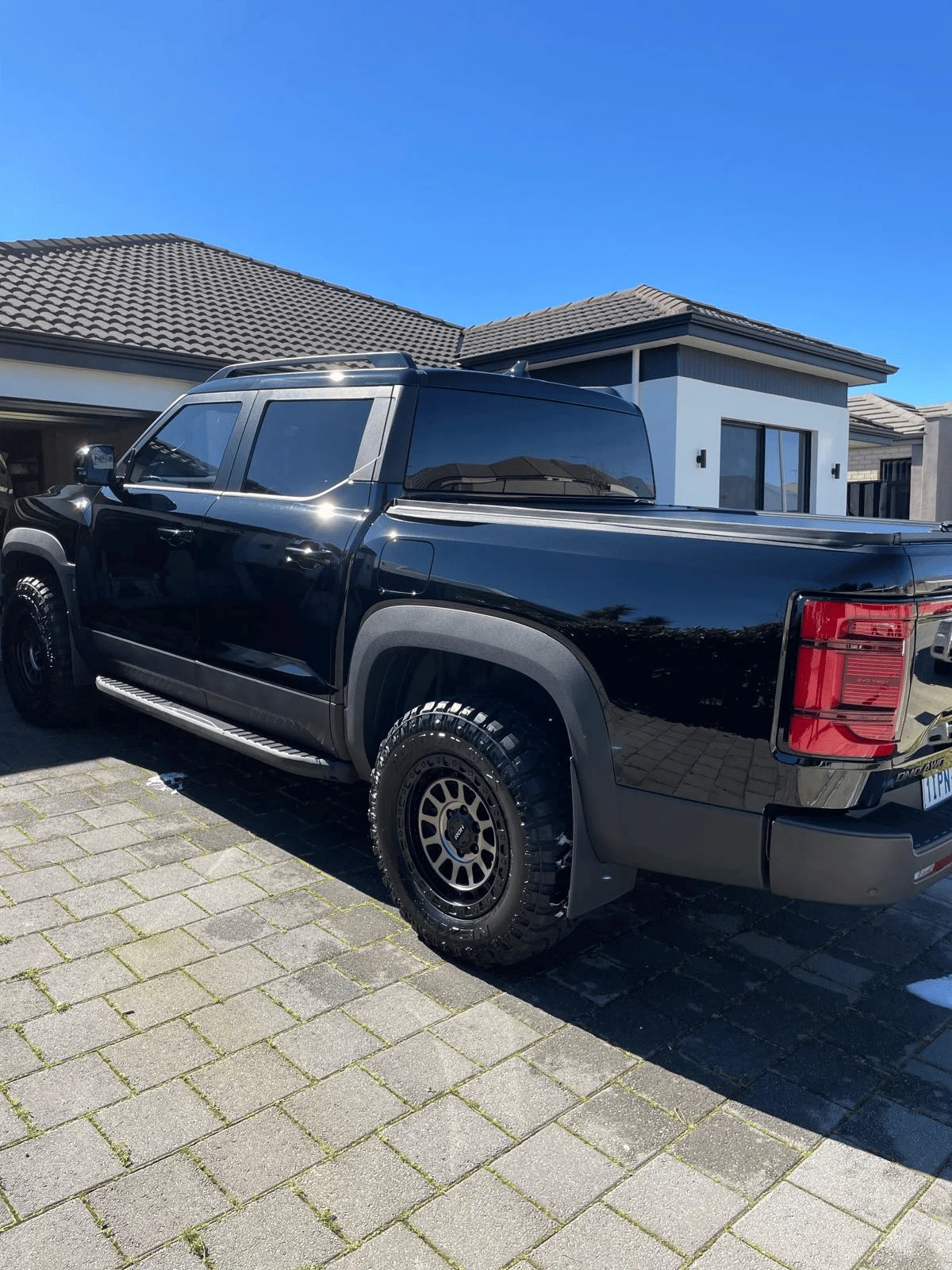

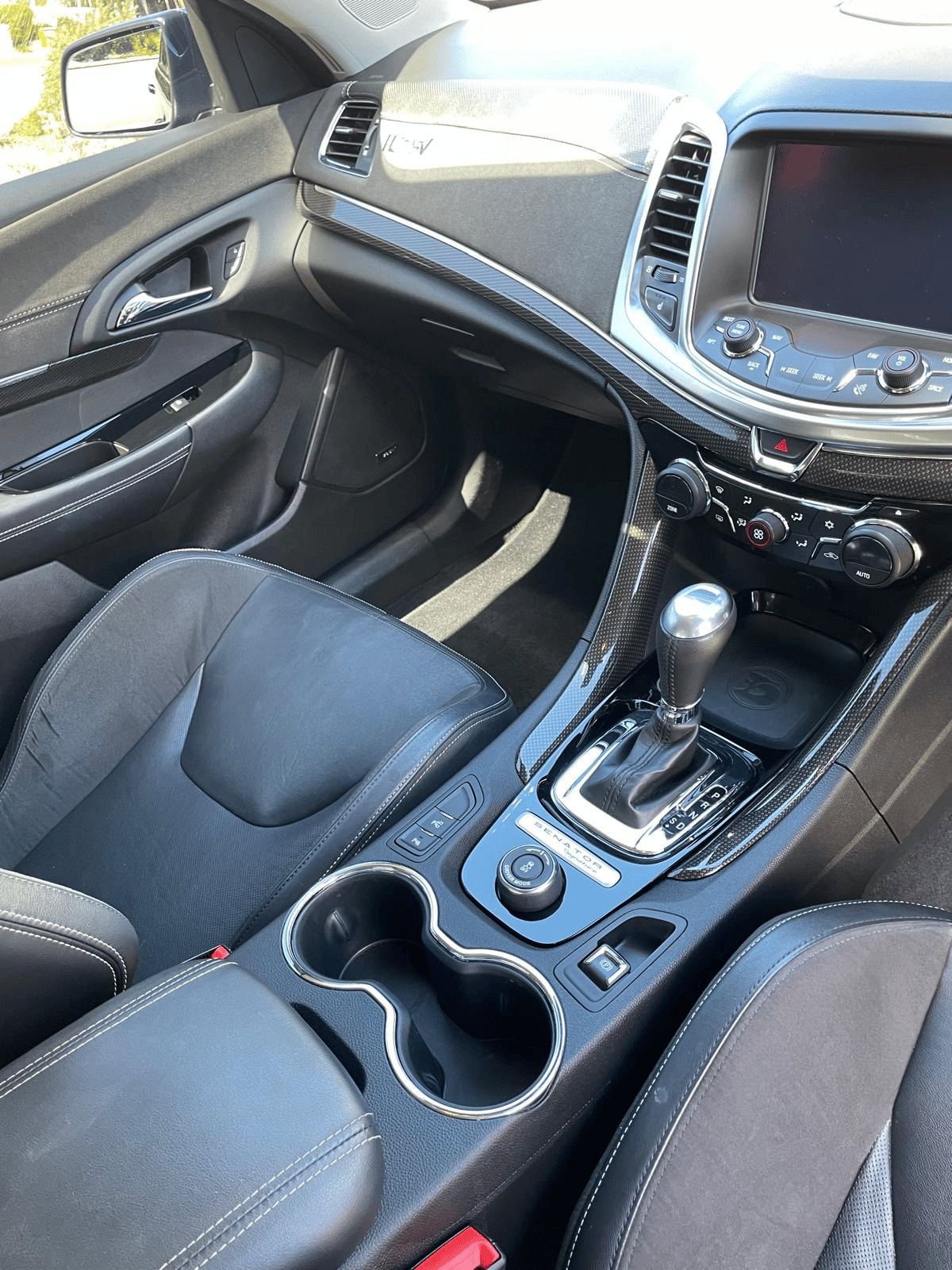
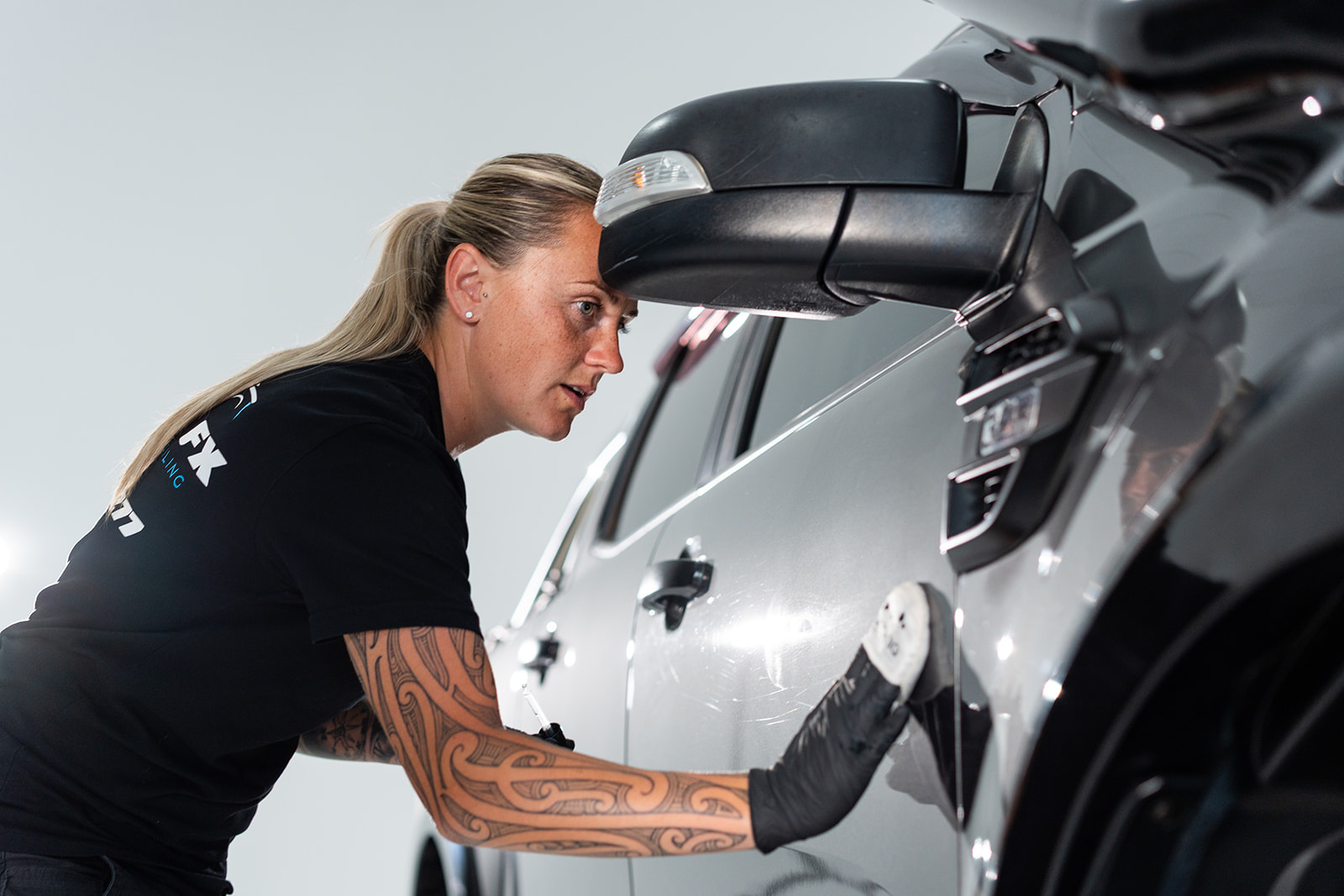
Perth spring car care is worth thinking about before the first run of properly warm days. Winter can leave road grime, dirty wheel arches, damp interior mess and marks that are easy to miss until brighter sun hits the paint.
Then September changes the routine. Reticulation comes back into play, cars spend more time in stronger sun, and pollen, tree sap, bird droppings and dry dust become more noticeable around Perth.
Whether your car sits on a driveway in High Wycombe, spends weekdays near Perth Airport, runs along Great Eastern Highway or gets parked under trees around the Swan Valley, this Perth spring car care guide gives you a practical way to check it without turning the weekend into a full-day job.
The 2-Minute Perth Spring Car Care Check
Check | What to look for | What to do next |
Paint | Water spots, roughness, swirls, bird marks | Wash first, then reassess |
Windscreen | Mineral marks, film, streaking | Clean inside and outside |
Wipers | Cracks, skipping or streaks | Clean and inspect |
Wheels | Brake dust and road grime | Clean separately from paint |
Interior | Dust, crumbs, damp smells | Empty and vacuum |
Trim | Dirt or weathered areas | Clean with suitable products |
Parking area | Sprinkler overspray | Check where reticulation lands |
What Changes for Your Car During a Perth Spring?
A useful Perth spring car care routine starts with the local conditions, not a generic checklist copied from somewhere with a different climate. Water Corporation’s annual winter sprinkler switch-off for Perth runs from 1 June to 31 August, so reticulation is worth checking again as September starts.
If these checks show your paint needs more than routine cleaning, Roilty FX can help you work out whether a full car detail, paint correction or protection is actually needed before you spend money on the wrong fix.
Reticulation and bore water return
A sprinkler that has not mattered through winter can become a regular source of overspray once watering resumes. That may be your own lawn retic, the neighbour’s verge sprinkler, or irrigation beside a workplace car park.
Perth bore water can leave visible mineral marks on paint and glass when droplets dry on the surface. The simplest response is to reduce repeated exposure and rinse accidental overspray with clean water when practical.
Dust, pollen and organic contamination build up
Body panels warm up faster
1. Start With a Proper Post-Winter Wash
Good seasonal car care starts with cleaning, not polishing. Give the car a proper wash first so you can see what is actually dirt and what remains once the surface is clean.
Pay close attention to the lower doors, behind the wheels, wheel arches, front bumper, mirrors, number plates, door jambs, fuel flap and boot or tailgate edges. Cars doing regular metro kilometres can carry more grime around these areas than the bonnet suggests.
If you are unsure what a deeper clean should include, see Roilty FX’s guide to what’s included in a full car detail. It explains the difference between a quick wash and a more thorough interior and exterior reset.
2. Check Whether the Paint Still Feels Rough After Washing
One useful spring paint check is to feel a small section of clean, dry paint with clean fingertips. Paint can look shiny from a metre away and still have bonded contamination sitting on the surface.
If the finish feels noticeably rough or gritty after washing, do not scrub harder. Ordinary washing removes loose dirt, while bonded contamination may need a different process.
This is also a good point to stop and assess before trying clay bars, abrasive compounds or random household products. A safer diagnosis is usually cheaper than correcting marks caused by the wrong DIY method.
3. Inspect Your Paint in Proper Light
Perth spring car care is easier when you inspect clean paint in good natural light. Look at the bonnet, roof, boot and side panels from a few angles rather than judging the whole car from the driveway.
If you can still see swirls, haze or isolated defects after the car is clean, Roilty FX’s paint correction service explains what machine polishing may improve and where deeper damage can have limits.
Look for the pattern, not just the mark
What you can see | What it may be | Best first step |
Fine circular marks | Wash-related swirls | Check after the car is clean |
White or cloudy rings | Dried water spots | Wash and reassess |
Sticky spots | Tree sap or organic contamination | Do not scrape |
Rough paint | Bonded contamination | Avoid scrubbing harder |
Hazy finish | Contamination or paint defects | Identify the cause first |
Straight scratch | Contact damage | Check its depth before polishing |
Do not polish every mark
4. Check Where Your Reticulation Actually Sprays
This is one of the most useful local spring checks you can do before September. Stand where the car normally parks and look at the direction of lawn sprinklers, verge reticulation and any neighbouring spray that reaches the driveway or street.
If the car is regularly getting hit, adjust the sprinkler where possible or move the car during watering. Preventing repeated bore water exposure is much easier than repeatedly chasing dried mineral spots.
If sprinkler marks keep appearing on protected paint, read Roilty FX’s ceramic coating maintenance guide for a clearer explanation of water spotting, safe washing and why a coating still needs normal care.
5. Do Not Dry-Wipe a Dusty Car
A big part of safe spring washing is avoiding unnecessary contact with dirty paint. When the car has a visible film of dust or pollen, a quick dry wipe with a microfibre towel can move those particles across the finish.
A clean towel is useful, but it does not make the dirt between the towel and paint disappear. If the car is visibly dusty, a proper rinse and safe wash is the better habit.
6. Deal With Bird Droppings Early
Bird droppings are common around shaded parking, parks and tree-lined streets, and warmer conditions make it sensible to deal with them sooner rather than leaving them until the next scheduled wash. This spring car care step is mostly about gentle removal and timing.
If the contamination is fresh, use a suitable car-safe cleaning method. If it has dried, soften it first and avoid scraping with a fingernail, card, rough cloth or anything sharp.
If the material comes off but a visible outline remains, stop scrubbing. You may be looking at a mark in the finish rather than dirt sitting on top of it.
7. Be Careful With Tree Sap and Shaded Parking
Shade is valuable as Perth warms up, but parking under trees can bring sap, pollen, leaves and more bird activity. A balanced local car care routine means checking the trade-off rather than assuming shade is always the cleanest parking option.
If you find sticky sap, do not scrape hardened residue from the paint or reach straight for a strong household chemical. Deal with it early using a method suited to automotive paint, and test the gentlest reasonable option first.
8. Clean Your Glass Inside and Out
Your spring checklist should include the glass, not just the paint. Windscreens can look dirty even after an exterior wash because fingerprints, dust and normal cabin use can leave a film on the inside.
Clean the windscreen exterior and interior, side windows, rear glass and mirrors. If marks remain outside, check whether you are seeing dirt, mineral spotting, old residue or a wiper-related mark before scrubbing harder.
9. Check the Wiper Blades
Spring is a sensible time to check wiper blades after winter use. Run them and look for streaking, skipping, unusual noise, cracked rubber or areas of the windscreen that are not being cleared properly.
Clean the blades and glass first, then reassess. If the rubber is clearly deteriorated or performance remains poor, follow the vehicle or wiper manufacturer’s replacement guidance.
10. Clean the Wheels With Separate Tools
Wheel cleaning belongs in a proper seasonal car care routine because brake dust and road grime can build up even when the body looks reasonably clean. Keep wheel brushes, wheel mitts and heavily used wheel towels separate from the tools that touch paint.
That simple habit reduces the chance of transferring heavy grime back onto the bodywork. Wash the wheels methodically and rinse tools properly before storing them.
11. Give the Interior a Proper Spring Reset
Perth spring car care is not finished when the outside looks clean. Wet shoes, food, receipts, pet hair and normal winter use can leave the cabin needing a proper reset.
If the interior needs more than a quick vacuum, Roilty FX’s mobile car detailing page shows what is included in its interior and exterior detailing packages across Perth.
Empty the car before cleaning
Vacuum in sections
Do not just cover bad smells
12. Reset Your Washing Routine Before Summer
Wheel cleaning belongs in a proper seasonal car care routine because brake dust and road grime can build up even when the body looks reasonably clean. Keep wheel brushes, wheel mitts and heavily used wheel towels separate from the tools that touch paint.
That simple habit reduces the chance of transferring heavy grime back onto the bodywork. Wash the wheels methodically and rinse tools properly before storing them.
Use cooler panels where possible
Wash in shade or when panels are reasonably cool if you have the choice. This gives shampoo and rinse water less chance to dry before you are ready.
Keep clean tools for paint
Avoid harsh household shortcuts
7 Perth Spring Car Care Mistakes Worth Avoiding
The easiest Perth spring car care wins often come from stopping habits that create extra work later. These are seven common mistakes worth avoiding as the weather warms.
- Dry-wiping visible dust or pollen from paint.
- Scrubbing harder when a mark does not move.
- Forgetting to check where reticulation overspray lands.
- Using wheel-cleaning tools on body paint.
- Leaving bird droppings until the next full wash.
- Assuming shiny paint is automatically clean paint.
- Polishing a mark before identifying what caused it.
How Often Should You Do a Perth Spring Car Care Check?
There is no useful one-size-fits-all schedule for Perth spring car care. A garaged weekend car has a different exposure profile from a daily ute parked outdoors beside sprinklers, trees or a busy road.
| How your car is used | Pay extra attention to |
| Garaged most of the week | General washing and visual checks |
| Parked outside daily | Water spots, dirt and organic contamination |
| Parked beside sprinklers | Dried water marks |
| Parked under trees | Sap, leaves and bird droppings |
| Regular Perth commuting | Wheels, front bumper and lower panels |
| Family car | Seats, carpets, food and spills |
| Pets regularly onboard | Hair, dirt and interior odours |
| Weekend or enthusiast car | Paint condition and safe washing |
Use the condition of the car and where it lives to set the routine. If the vehicle looks clean, feels clean and has no obvious contamination, there is no need to invent a problem simply because a calendar says it is time.
Save This Perth Spring Car Care Checklist
Use this Perth spring car care checklist as a quick reference before the weather gets hotter. It is designed to help you spot small issues early and keep the car easier to maintain.
- Wash off winter grime and clean the lower doors and wheel arches.
- Feel clean paint for rough bonded contamination.
- Inspect the bonnet, roof and boot in good natural light.
- Check for bore water spots, bird marks and tree sap.
- Check where lawn and verge sprinklers actually spray.
- Clean exterior and interior glass.
- Inspect wiper blades.
- Clean wheels with separate tools.
- Remove cabin rubbish and vacuum under the seats.
- Check for damp smells instead of masking them.
- Clean and separate wash mitts, drying towels and wheel tools.
- Use a car-safe shampoo and avoid washing very hot panels.
Perth Spring Car Care FAQs
These quick answers cover the questions that come up most often when people are preparing a car for Perth spring and the warmer months ahead. If you find a paint issue that does not fit these examples, Roilty FX can help identify it before you choose a treatment.
When should I prepare my car for Perth summer?
How often should I wash my car during spring?
Can Perth bore water leave marks on car paint?
Should I wipe pollen or dust off with a microfibre towel?
Is it okay to wash a car in direct Perth sun?
What if a mark stays after washing?
A Better Perth Spring Car Care Routine Makes Summer Easier
Perth spring car care does not have to mean spending every Saturday cleaning the car. Wash away winter grime, check reticulation, deal with obvious contamination early, keep wheel gear away from paint and inspect marks before trying aggressive fixes.
Those small habits give you a cleaner baseline as Perth heads towards summer. If the car is clean but the paint still has swirls, haze or stubborn defects, Roilty FX’s paint correction and ceramic coating pages explain the professional options without pretending every mark needs the most expensive treatment.