Leave a car in an open car park on a February afternoon in Perth and the leather seats can be almost too hot to sit on when you come back. That heat, combined with UV through the glass, sand and sweat, and everyday sliding in and out, is what slowly wears leather down. It usually starts with the outer edge of the driver’s seat going dull, then stiff, then creased, and eventually cracked.
The good news is that protecting leather car seats from cracking comes down to a few simple habits: limiting heat and sun, cleaning the right way, and using a suitable protector. This guide explains each one, what to avoid, and when it’s worth getting a professional to look after your interior. At Roilty FX we clean and condition leather as part of our mobile detailing, so these are the same principles we follow on the job.
Why do leather car seats crack in Perth's heat?
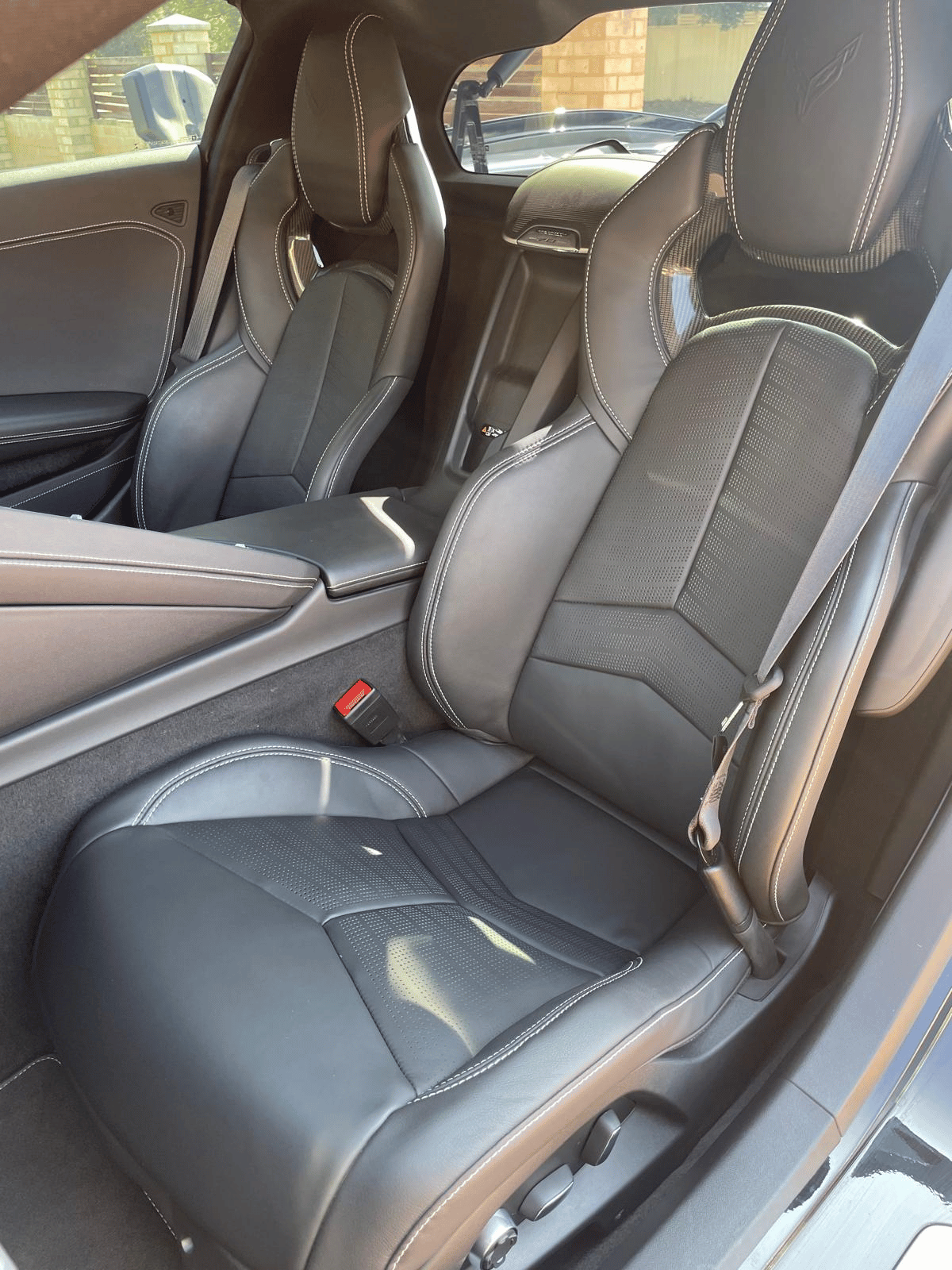
Most leather in modern cars isn’t bare hide. It has a pigmented colour layer and a thin protective topcoat that resists stains and wear. Cracking is usually what happens once that finish is worn, dried out or damaged and the leather underneath starts to suffer. Several things contribute, and they tend to work together.
Heat
UV exposure
Dirt, sand and body oils
Friction
The wrong cleaning products
Not all "leather" is the same
How to protect leather car seats from cracking
1. Park in the shade whenever possible
Shade is the simplest protection there is. It cuts both the UV reaching the seats and how hot the cabin gets. At work or the shops, an undercover bay or the shady side of a building makes a real difference over a summer. At home, a carport or garage is ideal.
Common mistake: assuming tinted windows are enough. Tint can help reduce heat and UV, but it doesn’t stop the cabin heating up in direct sun.
2. Use a quality windscreen sunshade
A fitted, reflective sunshade blocks direct sun through the windscreen, which mostly protects the dashboard, steering wheel and front seats. Choose one cut to fit your car so there are no big gaps at the edges.
Common mistake: leaving the sunshade on the back seat on the days you need it most. Keep it somewhere you’ll actually use it, like the door pocket or behind the seat.
3. Clean leather seats with appropriate products
Vacuum first to remove sand and grit, using a soft brush attachment so you don’t scratch the surface. Then clean with a cleaner made for automotive leather, applied to a microfibre cloth or soft brush rather than sprayed heavily onto the seat. Work gently into the grain and seams, then wipe off with a clean, slightly damp cloth and dry with a dry one.
Manufacturers’ guidance generally follows the same lines: a leather cleaner or mild soap, a well wrung-out cloth to remove residue, and drying in a shaded, ventilated spot.
Common mistakes: soaking the leather, scrubbing hard with a stiff brush, and cleaning in direct sun where products dry before you can wipe them off.
4. Apply a leather-safe conditioner or protector
Because most car leather is coated, heavy oil-based conditioners mostly sit on top of the finish instead of soaking in. They leave a greasy shine that collects dust. A light, water-based protector made for automotive leather is usually a better choice for coated seats, and some include UV inhibitors. Older or more absorbent leathers may benefit from a proper conditioner, but check the manufacturer’s advice first.
Common mistakes: over-applying product, using furniture or saddle products, and applying protector to dirty leather, which seals the dirt in. Always test a new product on a hidden area first.
5. Reduce prolonged heat and UV exposure
Small habits add up. Crack the windows slightly if it’s safe, use seat covers or a towel on long beach days or when the car will sit in the sun for hours, and avoid leaving the car in the same full-sun spot all day, every day. For cars that live outdoors, sun exposure is the biggest factor you can control.
6. Remove dirt, sweat and spills promptly
Wipe spills straight away with a damp microfibre and dry the area. After the gym, the beach or a hot day in work clothes, a quick wipe of the seat bolsters stops sweat and sunscreen building up. Shake out sand before getting in when you can, because grit is what wears through the finish.
Common mistake: leaving a towel or bag damp with sunscreen or wet swimwear on the seat all afternoon.
7. Book regular professional interior detailing
Even with good habits, grime builds up in seams and perforations where a quick wipe can’t reach. A professional interior detail cleans the leather properly and applies a protector suited to it. Roilty FX’s Premium detail includes leather cleaning, conditioning and protection, done at your home. It’s a good reset before summer or when the seats have started looking shiny or tired.
Best products and tools for leather car seat maintenance
You don’t need a cupboard full of products. These are the categories that matter:
- Automotive leather cleaner: pH-balanced and made for car leather. Avoid all-purpose interior sprays that “clean everything”.
- Leather-compatible protector: water-based for coated leather, ideally with UV inhibitors. Semi-aniline and aniline leathers need products specifically labelled for them.
- Microfibre cloths: separate cloths for cleaning and buffing, washed without fabric softener.
- Soft interior detailing brush: to lift dirt from the grain and seams without scratching.
- A fitted windscreen sunshade.
Usually unsuitable: household and kitchen cleaners, baby wipes, alcohol-based sanitiser on the seats, silicone-heavy shine products, and oil-heavy conditioners on coated leather. Perforated seats need very little liquid, as moisture and product can settle in the holes.
How often should you clean and protect leather seats in Perth?
There’s no single schedule that suits every car. It depends on how much sun the car gets, how it’s used, the leather type, and what the manufacturer and product label say. As a starting point for an everyday driver:
Task | Typical frequency | Notes |
Quick wipe with a damp microfibre | Weekly, or after the beach or gym | Removes dust, sweat and sunscreen |
Vacuum seats, seams and rails | Weekly to fortnightly | More often if you carry sand or pets |
Clean with leather cleaner | Every 1–3 months | More often for light-coloured seats |
Apply leather protector | Every 3–6 months, or per product label | Before summer is a good time |
Professional interior detail | Once or twice a year, or as needed | Deep clean of seams and perforations, plus protection |
Mazda’s owner guidance, for comparison, recommends periodic leather maintenance about twice a year. Newer cars often need less product and more simple cleaning.
Signs your leather car seats need professional attention
- Stiff or tight surface: often dried-out leather. Usually improves with proper cleaning and protection.
- Shiny, sticky or greasy patches: built-up body oils and old product. A deep clean usually restores the original matte finish.
- Colour fading or discolouration: cleaning can remove dirt that makes seats look faded, but true UV fading needs recolouring by a leather specialist.
- Fine surface cracks or coating damage: protection can slow it down, but it won’t close the cracks.
- Peeling or flaking: the finish has failed. This needs leather repair or refinishing.
- Persistent stains: many lift with professional cleaning; some, like dye transfer from jeans or ink, may only partly fade.
- Worn outer bolster: often the first area to need repair.
If your seats are already cracked or peeling, a detail can clean and protect them, but it won’t restore them. That’s a job for a leather repair or upholstery specialist.
Can professional car detailing help protect leather seats?
Yes, mainly by doing two things properly: getting the leather genuinely clean, and protecting it with a product suited to the leather. Professional cleaning reaches into seams, stitching and perforations, removes the body oils that cause shine and stiffness, and avoids the over-wetting and harsh chemicals that do the most damage.
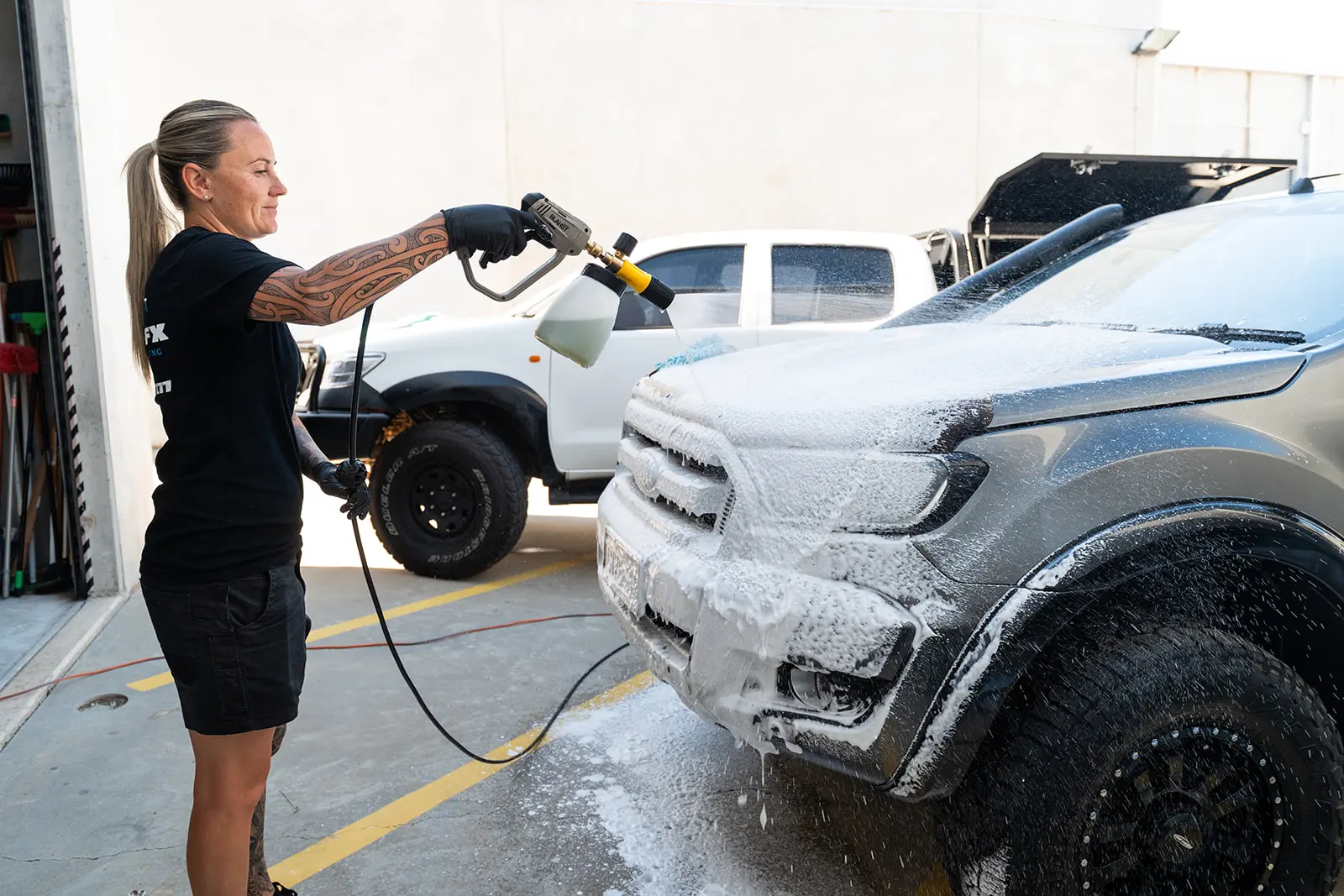
At Roilty FX, leather cleaning, conditioning and protection is part of our Premium detail. We do it at your home or workplace across Perth, so the car doesn’t need to go anywhere. See what’s included in a full car detail for how this fits with the rest of the interior.
Why choose Roilty FX for interior car detailing in Perth?
- Mobile: We come to you, so there’s no drop-off or waiting around.
- Interior-focused packages: Our Premium detail includes leather cleaned, conditioned and protected (or seats shampooed and extracted for fabric interiors), and starts from $230 + GST for small cars.
- Woman-owned and Perth-based: A local team based in High Wycombe, working across the Perth metro area.
- Honest advice: If your seats need a leather repairer rather than a detail, we’ll tell you.
Want to keep your car’s interior looking its best through a Perth summer? Explore our interior car detailing and detailing packages, or get in touch to book.
Frequently Asked Questions
How do I stop leather car seats from cracking?
Does Perth's summer heat damage leather seats?
How often should I condition leather car seats?
It depends on the leather type and the product. Most modern car leather has a protective coating, so it needs regular cleaning more than heavy conditioning. A leather-safe protector every few months suits many daily drivers. Check your owner’s manual and the product label, as newer leather may need very little conditioning.
Can cracked leather car seats be repaired?
Is sunlight or heat worse for leather car seats?
What should I avoid when cleaning leather car seats?
Is professional leather seat detailing worth it?
Final Thoughts
Leather seats usually crack because the protective finish wears or dries out first, from a mix of heat, UV, grit and friction. Park in the shade when you can, use a sunshade, keep sand and sweat off the seats, clean gently with the right products, and protect the leather a few times a year. Those habits do far more than any single product.
If your seats are already looking dull, shiny or stiff, a professional clean and protect is a good reset before summer. Roilty FX offers mobile interior detailing across Perth, including leather cleaning, conditioning and protection. Request a quote or call 0491 963 277.