
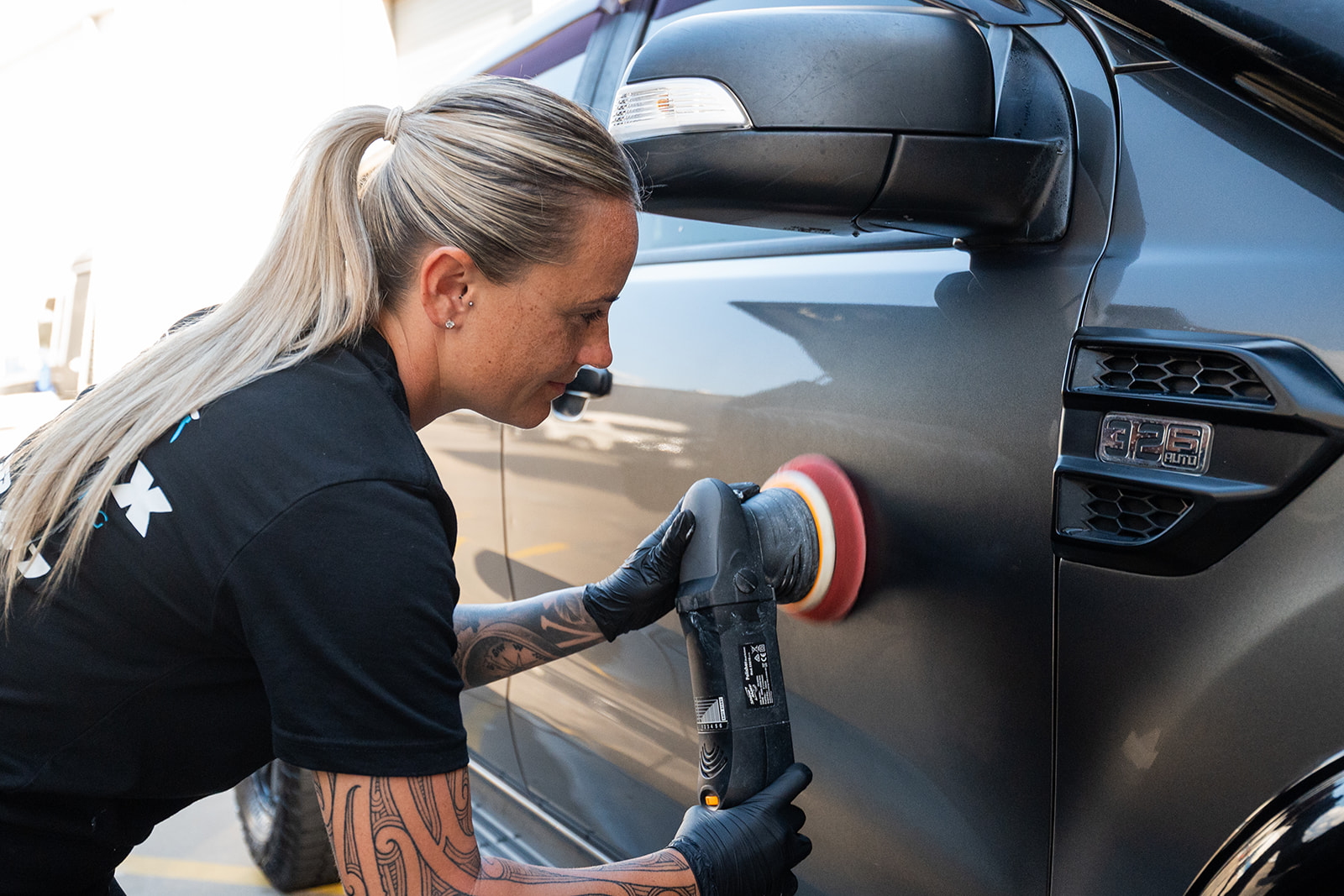
Your car may be spotless, but then the sun strikes it, and it turns into a dull vehicle. The point of confusion begins here: should you polish or should you paint correctly? Though they sound alike, they have different functions. Polishing is primarily used to add a lighter gloss for light haze, fine marks and dull paint.
Paint correction is deeper to remove swirls, oxidation, water spots and clear-coat defects in the paint. In this guide, we’re going to explain Paint Correction vs Polishing in layman’s terms, so you can avoid wasting your money on the wrong service.
Polishing Enhances, Paint Correction Restores
Lighter polish is polishing. It enhances the gloss, eliminates mild haze and brightens up the paint finish. Paint correction is deeper work. It removes visible defects from the clear coat using controlled machine work, pads, and compounds.
Think of polishing as a refresh. Think of paint correction as repair work for the finish.
What Car Polishing Does?
Car polishing smooths the top surface of your paint.
It can help with:
- Light swirl marks
- Mild water spots
- Dullness from age
- Fine wash marks
- Light oxidation
A polish does not usually chase deep scratches. It is best when your car already looks decent but lacks depth. For example, a white SUV used for school runs may only need a machine polish before wax.
Polishing is also common before protection. Applying any paint with wax, sealant, or ceramic coating over dull paint will not improve the shine.
What Does Paint Correction Do?
Paint correction is more detailed. It levels tiny defects in the clear coat so light reflects evenly again. That is why corrected paint looks sharper, darker, and glossier.
It can target:
- Heavy swirl marks
- Buffer trails
- Bird dropping etching
- Water spot etching
- Oxidation from sun exposure
- Light to moderate scratches
Perth drivers should take sun damage seriously. This is why exposed paint fades, oxidises and loses its shine at a quicker rate in WA than in other places, according to Cancer Council WA, which states that the UV level averages in the “extreme” range nearly every day during the summer months in WA.
Paint Correction Vs Polishing: Main Differences
Feature | Polishing | Paint Correction |
Goal | Add gloss and clarity | Remove visible defects |
Defect Level | Light marks | Moderate to heavy marks |
Process | Usually, one refining step | One, two, or more stages |
Time | Faster | Slower and more precise |
Cost | Lower | Higher |
Best For | Maintained cars | Swirled, faded, or neglected paint |
Result | Cleaner shine | Deeper restoration |
The biggest difference is intent. Polishing improves the look. Paint correction changes the condition of the finish.
Paint Correction Vs Polishing: Main Differences
One-Stage Correction
Two-Stage Correction
Multi-Stage Correction
How Do You Know Which One Your Car Needs?
Choose polishing if:
- Your paint looks dull but not scratched
- Swirls are only visible in strong sunlight
- You want to shine before selling
- Your car is newer or garage-kept
- You want a maintenance detail
Choose paint correction if:
- Swirls are obvious under lights
- The paint looks grey, flat, or cloudy
- Bird droppings left etched marks
- You are booking ceramic coating
- A longer lasting, fuller result is desired
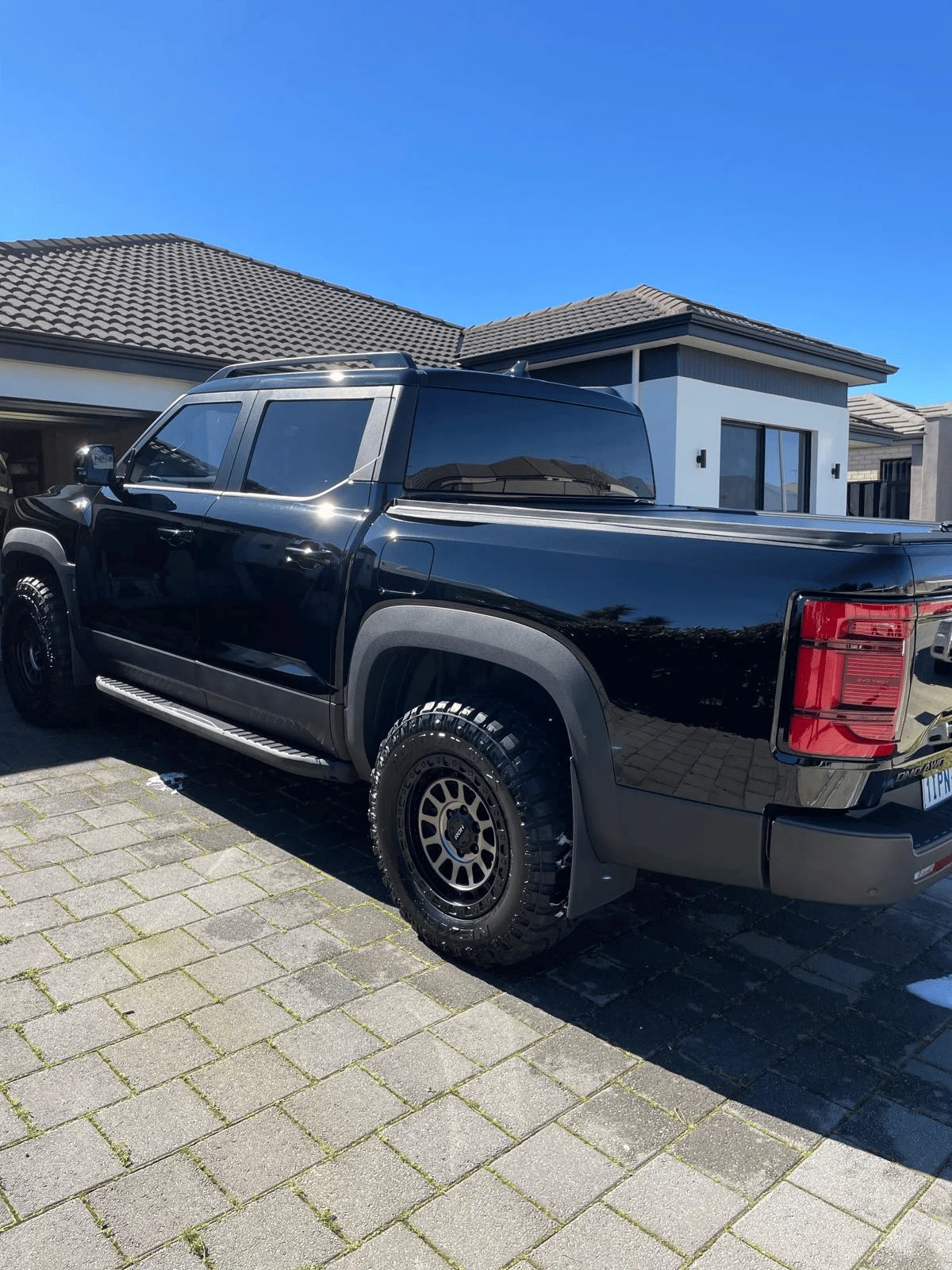
A black ute with car-wash swirls needs correction. A silver hatchback with mild dullness may only need polishing.
Why Inspection Comes Before Any Machine Work?
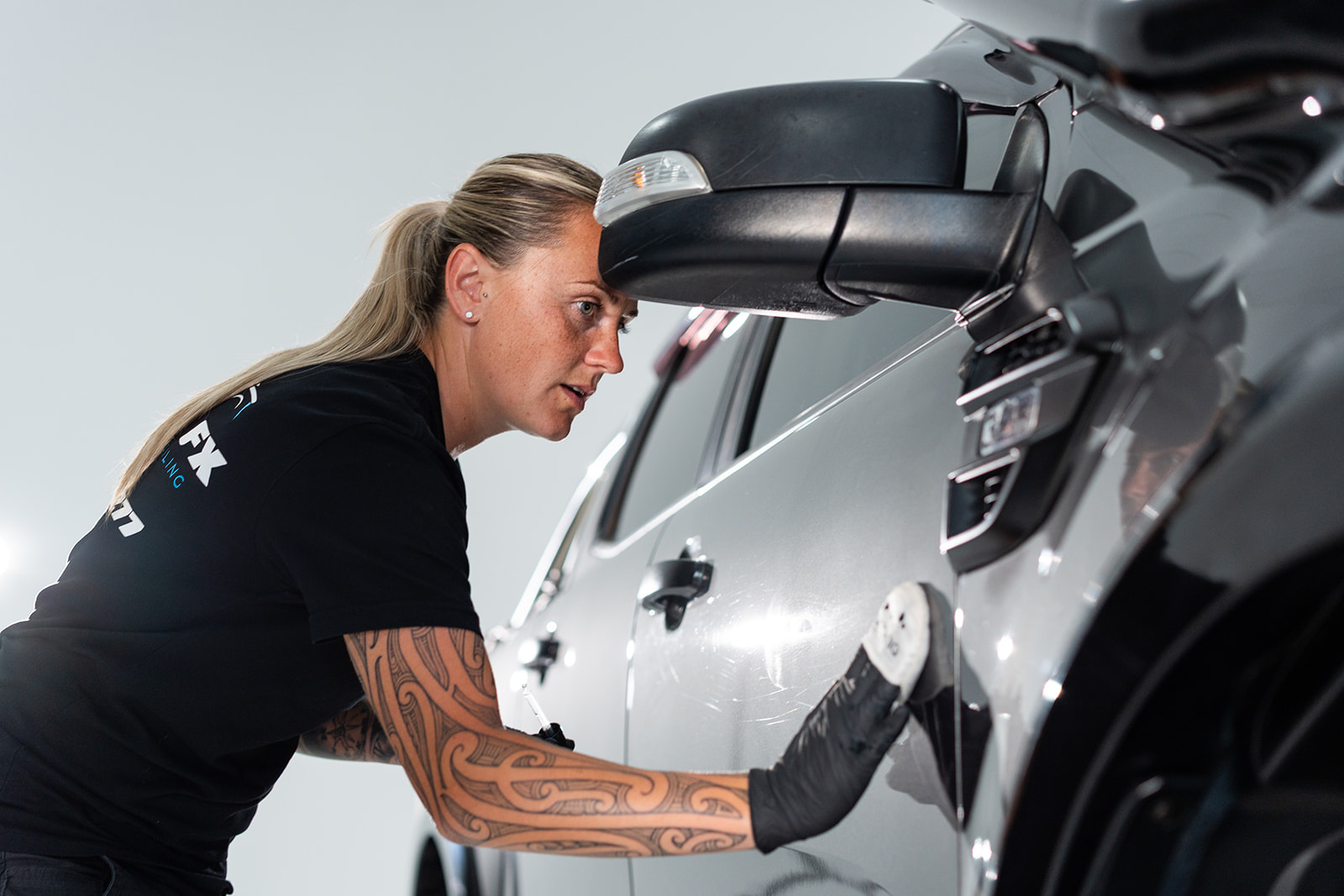
Good detailers do not guess. They inspect the paint first. Some clear coats are soft and mark easily. Others are hard and need stronger combinations.
A proper inspection may include:
- Washing the car safely.
- Removing bonded contamination.
- Checking swirls under strong lighting.
- Testing a small section first.
- Choosing the safest pad and compound.
This test spot saves your clear coat. The goal is to remove the least paint needed for the best result.
Does Polishing Remove Scratches?
Sometimes, yes. But only shallow ones.
Here is the fingernail test. If your nail catches the scratch, polishing may soften it, but it will not fully remove it. If the mark sits in the top clear coat, machine polishing or correction may remove it.
Stone chips, deep key marks, peeling clear coat, and rust need repair, not polishing.
Why Paint Correction Costs More?
Paint correction costs more because it takes more time, better lighting, controlled technique, and more product testing. It is riskier when done badly.
IBISWorld reports Australia’s car wash and detailing industry is worth about $608.4 million in 2026, with 1,683 businesses operating. In a busy market, the cheapest quote is not always the safest choice.
A low-price “buff” can leave holograms, burnt edges, or patchy gloss. A careful correction protects your paint while improving it.
Should You DIY Polishing Or Paint Correction?
You can polish by hand, but the results are limited. A dual-action machine gives better, more even results. However, there are dangers to DIY polishing.
Common errors that occur are dirty pads, direct sun, too much pressure, incorrect compound, non-performed de-contamination, and polishing over the grit.
DIY polishing may suit a small test area or an older daily driver. Paint correction is better left to a professional, especially on dark paint, luxury vehicles, or cars getting ceramic coating.
Why Ceramic Coating Works Better After Correction
Ceramic coating does not hide bad paint. It protects what is already there. If swirls sit under the coating, they stay visible.
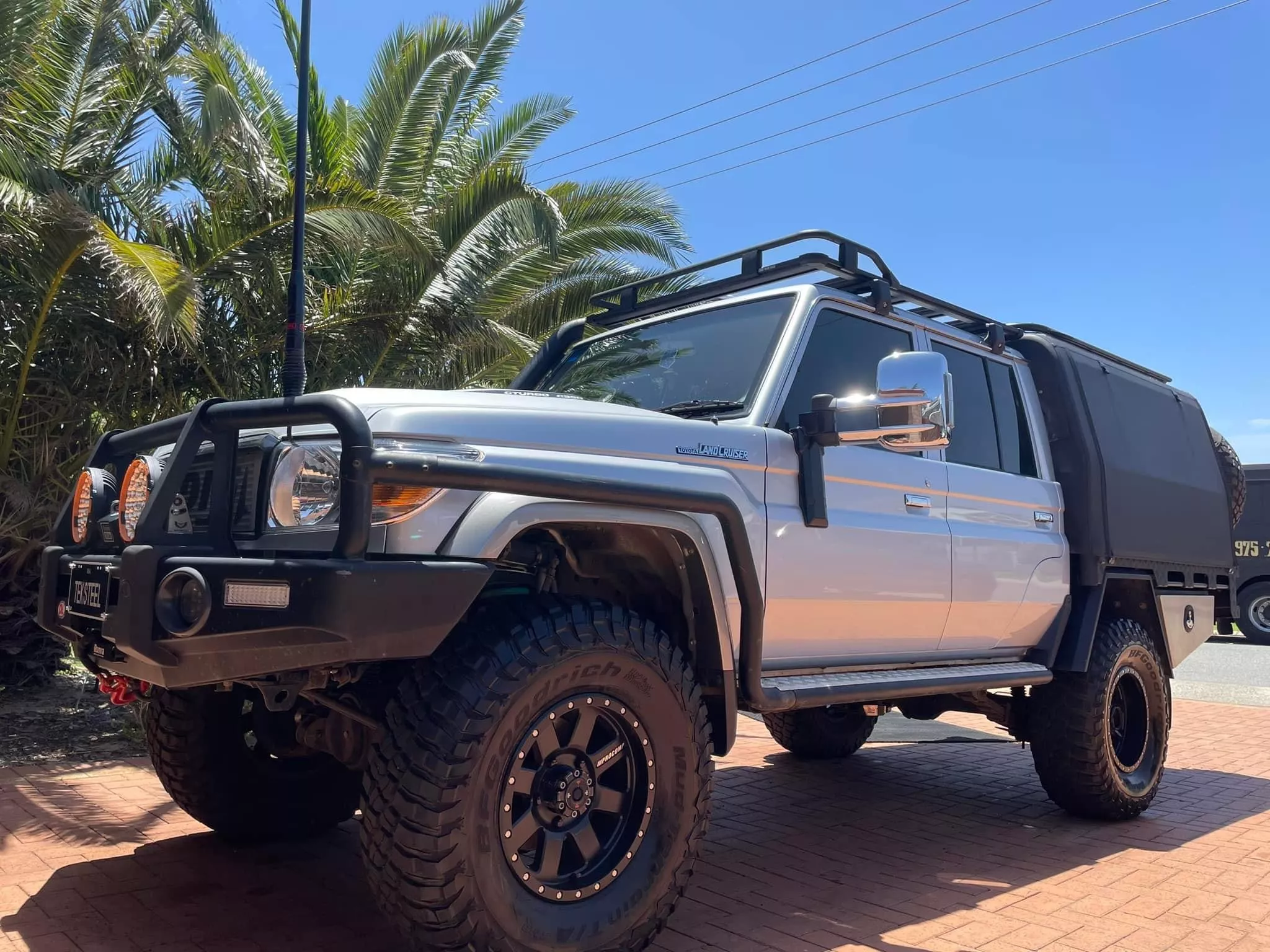
That is why paint correction is often recommended before ceramic coating. Roilty FX offers mobile car detailing, paint correction, and ceramic coating across Perth, with services for cars, 4WDs, utes, boats, and more.
The best order is simple: safe wash, decontamination, paint inspection, polishing or correction, panel wipe, then ceramic coating or paint protection.
How To Keep The Finish Looking Good
After polishing or correction, maintenance decides how long the gloss lasts.
Use these habits:
- Wash with clean mitts and towels.
- Avoid automatic brush washes.
- Use soft microfiber towels to dry.
- Remove bird droppings quickly.
- When parking, park in the shade as much as possible.
- Apply Wax, Sealing or Ceramic Protection.
Paint correction removes old defects. It does not stop new ones. Better washing keeps the finish cleaner for longer.
The Smart Choice For Your Paint
Do not choose by price alone. Choose by paint condition. Polishing is best for light dullness and for gloss. In the case of deeper defects, oxidation or swirls, paint correction is better. When in doubt, consider having the paint inspected first.
FAQ
What's the difference between paint correction and polishing?
Polishing is generally lighter and emphasises the gloss. Paint correction is a more detailed process that removes visible clear coat defects.